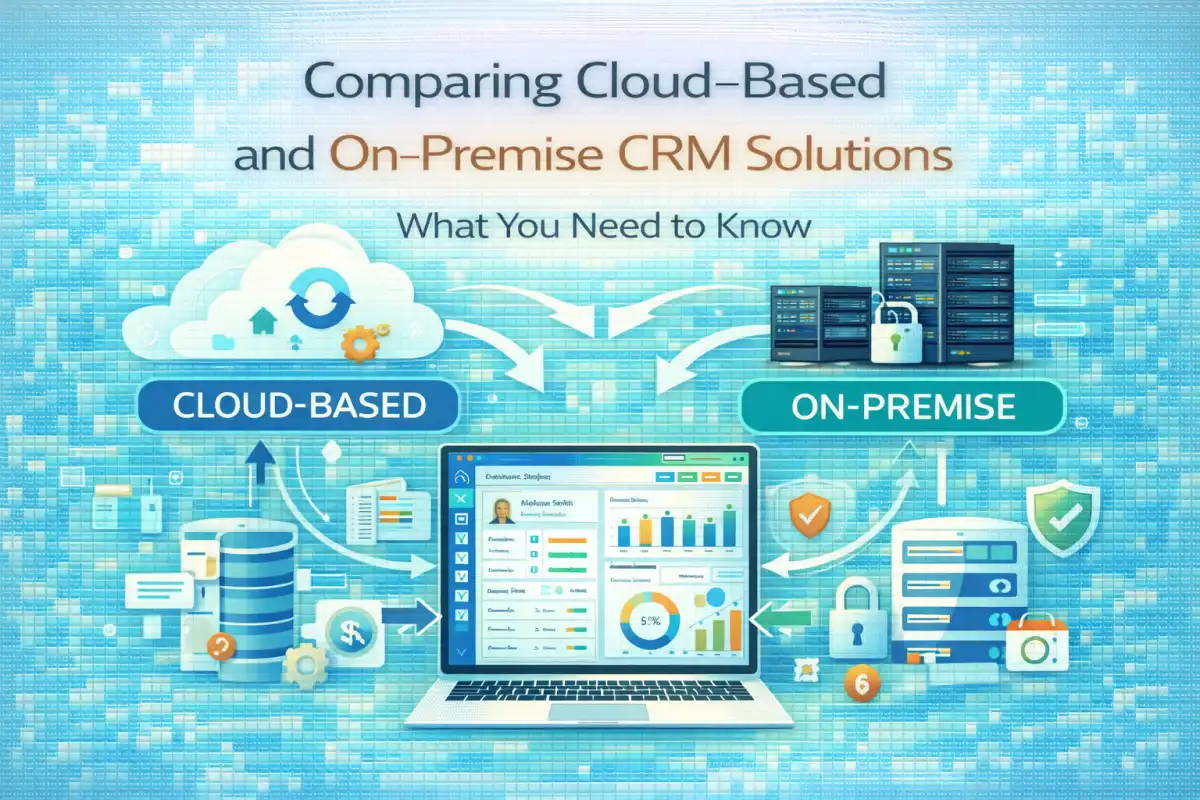
Comparing Cloud-Based and On-Premise CRM Solutions: What You Need to Know
Understanding Cloud-Based CRM
Cloud-based customer relationship management (CRM) systems operate over the internet. These platforms are hosted on remote servers and accessed via web browsers. Users can log in from any device with internet access. This flexibility allows businesses to manage customer interactions from anywhere.
Cloud CRM often follows a subscription model, where businesses pay a monthly or yearly fee. This approach reduces the need for heavy upfront investments in software and hardware. As a result, companies can scale their operations more easily as they grow.
Understanding On-Premise CRM
On-premise CRM refers to software installed directly on a company’s servers. This setup requires businesses to manage their hardware and software. Upfront costs can be significant, as companies must purchase licenses and provide the necessary infrastructure.
While on-premise solutions offer more control over data, they also require ongoing maintenance and updates. This can lead to higher long-term operational costs. Companies must ensure that their IT teams are equipped to handle these responsibilities.
Core Differences Between Cloud and On-Premise CRM
One of the main differences lies in accessibility. Cloud CRM can be accessed anytime and anywhere, while on-premise systems are restricted to the local network. This distinction is crucial for businesses with remote workers or multiple locations.
Another difference is the cost structure. Cloud solutions generally operate on a subscription basis, while on-premise systems often require larger upfront investments. The choice between the two often depends on the specific needs and financial situation of the business.
Cost Analysis: Cloud CRM vs On-Premise CRM
The cost of cloud CRM typically includes subscription fees and may have additional charges for extra features or storage. This model allows businesses to predict their expenses easily. However, over time, subscription costs can accumulate, potentially leading to higher total costs.
In contrast, on-premise CRM involves initial costs for licenses, hardware, and installation. Over the long term, these systems may be more economical for larger organizations. However, they come with additional costs for maintenance, updates, and IT support.
Scalability and Flexibility
Cloud CRM systems excel in scalability. Businesses can easily add or remove users and features based on their needs. This flexibility is ideal for companies that experience rapid growth or seasonal fluctuations.
On-premise solutions, while capable of scaling, often require significant investments in additional hardware and software. This process can be time-consuming and may hinder a company’s ability to adapt quickly to changing market demands.
Security and Compliance Factors
Security is a significant concern for businesses when choosing between cloud and on-premise solutions. Cloud providers typically invest heavily in security measures and compliance certifications. Data is often encrypted and backed up regularly, reducing the risk of loss.
On-premise systems allow businesses to control their data security directly. However, this requires a dedicated IT team to implement effective security measures. Companies must weigh the risks and benefits of each option carefully.
Customization and Integration
Cloud CRMs tend to offer various customization options and can easily integrate with other software tools. Many providers allow users to tailor their workflows and dashboards to better fit their needs.
On-premise solutions may offer deeper customization capabilities since they can be modified at the code level. However, this process can be more complex and time-consuming. Integration with other systems may also require additional resources.
Performance and Reliability
Performance can vary significantly between cloud and on-premise systems. Cloud CRMs rely on internet connectivity, which can affect speed and access. However, reputable providers often ensure high uptime and fast response times.
On-premise systems generally offer reliable performance, as they are not dependent on internet access. However, if hardware fails, businesses may face downtime until repairs are made. Regular maintenance is essential to ensure optimal performance.
Remote Work and Mobility
With the rise of remote work, cloud CRM systems are increasingly preferred. They enable employees to access critical data from anywhere, facilitating collaboration and communication.
On-premise systems, while secure, limit access to the office network. This can make it challenging for remote teams to stay connected and work efficiently. Businesses must consider their workforce's needs when choosing a CRM solution.
Best CRM for Tier-1 Markets
In highly competitive tier-1 markets, cloud-based CRM solutions often shine. Their scalability, cost-effectiveness, and ease of access make them attractive to businesses aiming to grow quickly.
However, larger enterprises with specific regulatory requirements may prefer on-premise solutions. These systems provide greater control over data and compliance, which can be critical in certain industries.
Emerging Trends: Cloud CRM on the Rise
As technology advances, cloud CRM solutions are becoming increasingly popular. Innovations such as artificial intelligence and advanced analytics are enhancing these platforms, making them more effective for businesses of all sizes.
Experts predict that cloud solutions will continue to dominate the CRM market. Their flexibility and cost-effectiveness appeal to both small startups and large corporations looking to streamline their operations.
Conclusion: Choosing Between Cloud and On-Premise CRM
Deciding between cloud-based and on-premise CRM solutions depends on various factors, including budget, scalability needs, and security concerns. Cloud CRM offers flexibility and ease of access, making it suitable for many organizations.
On-premise solutions provide control and customization but may involve higher upfront costs and ongoing maintenance. Businesses should carefully assess their unique requirements to make the best choice for their future.
Key Features of Cloud CRM
- Accessible from any device
- Subscription-based pricing
- High scalability
Key Features of On-Premise CRM
- Direct control over data
- Higher upfront costs
- Customizable at a code level
Cost Structure of Cloud CRM
- Monthly or annual subscriptions
- Potential additional charges for features
- Lower initial investment
Cost Structure of On-Premise CRM
- Licensing fees
- Hardware costs
- Higher initial investment
Scalability of Cloud CRM
- Easy to add or remove users
- Flexible feature options
- Ideal for growing businesses
Scalability of On-Premise CRM
- Requires new hardware for scaling
- More complex upgrade processes
- May hinder rapid growth
Security of Cloud CRM
- Regular backups and data encryption
- Investments in security measures
- Compliance with industry standards
Security of On-Premise CRM
- Direct control over security measures
- Requires dedicated IT resources
- Vulnerability to internal threats
Customization of Cloud CRM
- User-friendly customization options
- Integration with other tools
- Rapid deployment of changes
Customization of On-Premise CRM
- Deep customization capabilities
- Potentially complex modifications
- Requires technical expertise