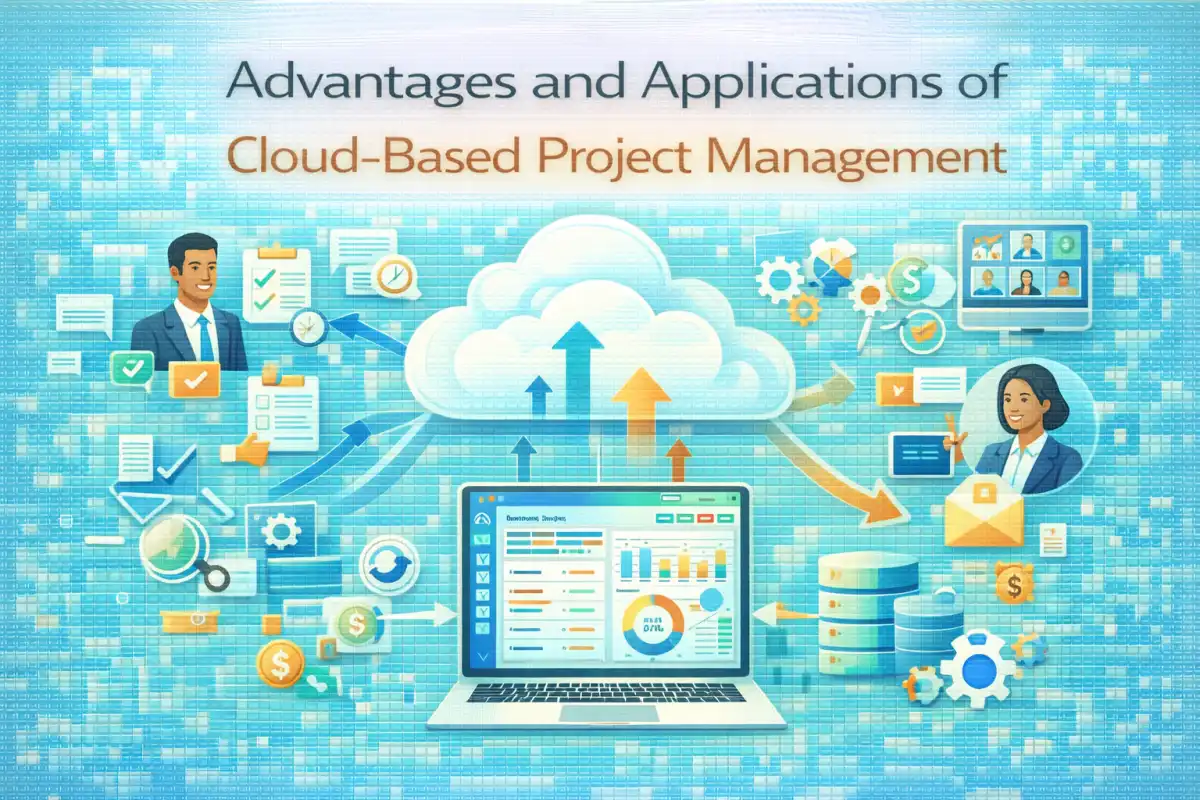
Advantages and Applications of Cloud-Based Project Management
Understanding Cloud-Based Project Management
Cloud-based project management refers to the use of online tools and software hosted on the internet for managing various aspects of projects. These platforms allow teams to plan, track, and collaborate on tasks from any location. Unlike traditional systems that require software to be installed on local machines, cloud solutions are accessible through web browsers. This shift has made project management more flexible and user-friendly.
With cloud project management, teams can centralize information and ensure everyone has access to the latest updates. This model is increasingly popular among businesses of all sizes, as it streamlines workflows and enhances productivity.
Reasons for the Shift to Cloud Solutions
Many companies are transitioning to cloud solutions for their project management needs. One of the main drivers is the adaptability that these tools offer. As organizations grow, their project requirements evolve, and cloud platforms can easily scale to accommodate these changes.
Additionally, the move to remote work has accelerated the adoption of cloud-based systems. Teams distributed across different locations can access the same resources, fostering collaboration and efficiency regardless of geographical barriers. This flexibility is essential in today's fast-paced business environment.
Key Advantages of Cloud-Based Project Management
1. Accessibility Anytime, Anywhere
One of the primary advantages of cloud-based project management is that users can log in from any device with internet access. This means that whether you're at the office, at home, or on the go, you can stay connected to your projects. This accessibility is especially beneficial for teams that work remotely or travel frequently.
2. Collaborative Efforts in Real-Time
Cloud platforms enable teams to collaborate instantaneously. Members can share updates, documents, and feedback instantly. This real-time interaction helps to reduce delays and miscommunications, making project execution smoother.
3. Cost-Effective IT Management
Using cloud-based solutions often leads to reduced IT expenses. There's no need for expensive hardware or extensive IT support. These platforms typically operate on a subscription model, allowing businesses to manage their budgets more effectively.
4. Scalable Solutions for Growing Organizations
As a business expands, so do its project management needs. Cloud-based systems can grow with the organization, adding users or functionalities as required without major disruptions. This scalability is particularly appealing for startups and SMEs.
5. Improved Security and Compliance
Security is a significant concern for many businesses. Cloud providers often invest heavily in security measures, ensuring that data is protected against breaches. Moreover, many systems comply with industry regulations, providing peace of mind for businesses handling sensitive information.
6. Continuous Updates and New Features
Cloud-based platforms regularly update their software to include the latest features and enhancements. Users benefit from these improvements without needing to manually install updates, ensuring they always have access to the best tools available.
7. Integration with Other Business Tools
Many cloud project management solutions integrate seamlessly with other software applications. This interconnectedness allows organizations to streamline their operations and improve overall efficiency. Whether it's CRM systems, accounting software, or communication tools, integration promotes a holistic approach to project management.
Comparing Cloud and On-Premise Project Management Solutions
When choosing between cloud and on-premise project management, organizations must consider various factors. On-premise solutions require significant upfront investment in hardware and software. In contrast, cloud options typically operate on a pay-as-you-go model, which can be more financially manageable.
Moreover, on-premise systems can be more challenging to maintain and update, often requiring dedicated IT personnel. Cloud solutions, however, are maintained by the provider, allowing businesses to focus more on their core activities rather than IT management.
Practical Applications of Cloud Project Management
1. Software Development Teams
In the tech industry, software development teams often use cloud project management tools to track sprints and manage tasks. This approach enhances collaboration among developers, testers, and product managers, ensuring timely releases.
2. Creative and Marketing Agencies
Marketing and creative agencies benefit from cloud-based platforms by managing campaigns and creative projects in one place. These tools facilitate collaboration between designers, copywriters, and clients, leading to more effective project outcomes.
3. Managing Enterprise Project Portfolios
Large organizations managing multiple projects simultaneously can utilize cloud-based solutions to maintain oversight. This centralization allows for better resource allocation and risk management across the entire project portfolio.
4. Remote and Hybrid Workforces
With the rise of remote work, cloud project management tools have become essential for hybrid teams. These platforms allow team members to collaborate effectively, irrespective of their physical location, fostering a cohesive work environment.
5. Construction and Engineering Projects
In construction and engineering, project management tools can help streamline complex workflows. Teams can track timelines, budgets, and resources in real-time, improving overall project delivery and safety compliance.
Return on Investment from Cloud-Based Project Management
Investing in cloud project management can yield significant returns for businesses. By improving collaboration and productivity, organizations often see enhanced project outcomes and reduced time to market. Additionally, the cost savings associated with IT management can lead to a better bottom line.
Moreover, the ability to scale operations without heavy investments makes cloud solutions a smart choice for businesses looking to grow sustainably. The flexibility and adaptability of these tools further enhance their value proposition.
Looking Ahead: Trends in Cloud Project Management
The future of cloud project management is set to evolve with advancements in technology. Automation tools and AI solutions are expected to play a larger role, helping teams streamline repetitive tasks and focus on strategic initiatives.
Additionally, the integration of data analytics will provide deeper insights into project performance, enabling better decision-making. As businesses continue to adapt to changing environments, cloud project management will remain a key component of their strategies.
Conclusion
Cloud-based project management is reshaping the way organizations approach their projects. With its numerous advantages, including flexibility, real-time collaboration, and cost savings, it has become an essential tool for businesses aiming for growth and efficiency. As technology continues to advance, the possibilities for cloud project management are endless, making it a worthwhile investment for the future.