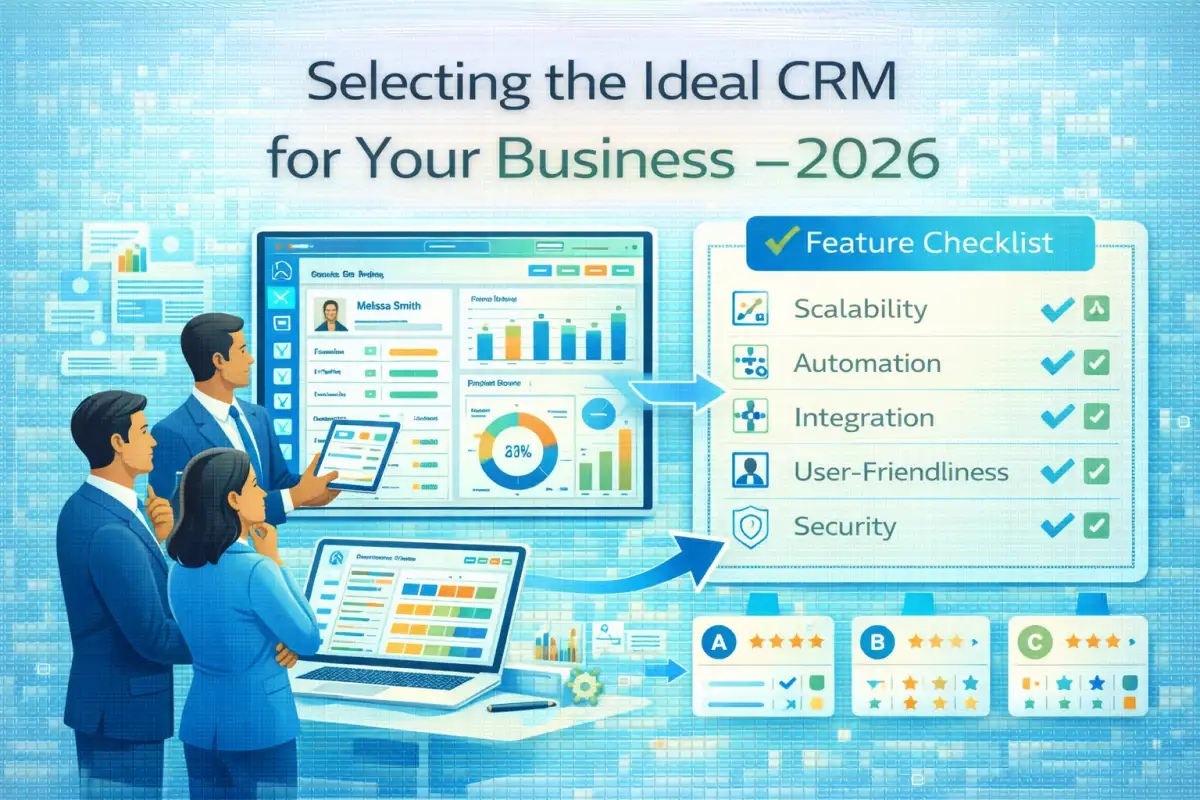
Selecting the Ideal CRM for Your Business in 2026
Understanding the Importance of CRM in 2026
In the current business landscape, a strong customer relationship management (CRM) system is essential. It helps organizations track interactions with clients, manage sales pipelines, and enhance customer satisfaction. As competition increases, effective CRM software can be a game-changer.
In 2026, the need for personalized customer experiences and streamlined communication continues to rise. Businesses that adopt a robust CRM can gather valuable insights about customer behaviors and preferences. This data can be pivotal for tailoring marketing efforts and improving overall service delivery.
A Step-by-Step Approach to Choosing the Right CRM
Finding the right CRM software for your business can be overwhelming. However, breaking down the process into manageable steps can simplify the decision-making. Here’s how you can navigate your choice effectively.
1. Define Your Business Goals
Start by clarifying what you aim to achieve with a CRM. Are you looking to enhance your sales process, improve customer support, or better manage leads? Clearly defined goals will guide you in selecting features that align with your vision.
2. Identify Key CRM Features
Different CRMs offer various functionalities. Some essential features to consider include lead management, contact tracking, sales forecasting, and reporting capabilities. Take note of what features are vital for your operations.
3. Evaluate CRM Pricing Models
Cost is a significant factor in your CRM selection. Review various pricing structures, whether they are monthly subscriptions or one-time fees. Ensure you understand what is included in the pricing. Look for hidden costs that may arise later.
4. Consider User Experience and Adoption
The usability of a CRM can impact its effectiveness within your team. Look for software that is user-friendly and requires minimal training. A system that your team can adopt quickly will yield better results.
5. Ensure Integration Capability
Your CRM should seamlessly integrate with existing tools and systems. This includes email platforms, marketing software, and customer support systems. Integration helps to centralize data and streamline operations.
6. Security & Compliance
Data security cannot be overlooked when selecting a CRM. Ensure that the platform complies with relevant regulations and offers robust security features. This is crucial for protecting sensitive customer information.
Top CRM Platforms to Consider in 2026
As you evaluate options, here are some of the leading CRM platforms making waves in 2026:
- Salesforce: A versatile platform known for its extensive customization and scalability.
- HubSpot: Popular for its user-friendly interface and comprehensive marketing tools.
- Zoho CRM: Offers an affordable solution with a suite of integrated applications.
- Microsoft Dynamics 365: Ideal for businesses already using Microsoft products, providing seamless integration.
- Pipedrive: Focuses on sales management with a visual sales pipeline that is easy to use.
CRM Selection Checklist
To ensure you make a well-informed choice, keep this checklist handy:
- Have you defined your business objectives?
- Does the CRM have the necessary features?
- Is the pricing model within your budget?
- How easy is it for your team to use?
- Can it integrate with your current tools?
- Are there solid security measures in place?
Tips for Maximizing ROI from Your CRM
Once you have chosen a CRM, maximizing your return on investment is crucial. Here are some tips:
- Provide adequate training for your team to ensure they are comfortable using the system.
- Regularly review your CRM usage and features to identify areas for improvement.
- Utilize analytics to track performance and make data-driven decisions.
- Encourage feedback from users to make necessary adjustments.
Conclusion
Choosing the right CRM for your business in 2026 is a strategic decision that can significantly impact your operations. By understanding your needs, evaluating options carefully, and focusing on user experience and integration, you can find a solution that drives growth.
FAQs
1. What is the most cost-effective CRM for small businesses?
There are several affordable options available for small businesses, such as HubSpot and Zoho CRM. These platforms offer essential features at competitive prices.
2. Which CRM provides the best ROI?
The best ROI often comes from systems that fit well with your business processes and enhance productivity. Salesforce and Pipedrive have received positive reviews for their effectiveness in increasing sales.
3. How do I ensure my CRM is secure?
Look for CRMs that offer encryption, regular security audits, and compliance with data protection regulations like GDPR.
4. Can I migrate data from my old CRM?
Most reputable CRM platforms provide tools or services to assist with data migration. Ensure to check for this capability before making a choice.
5. Should I choose a cloud or on-premise CRM?
Cloud CRMs offer flexibility and remote access, while on-premise solutions may provide more control over data. Consider your business needs and infrastructure when making a decision.