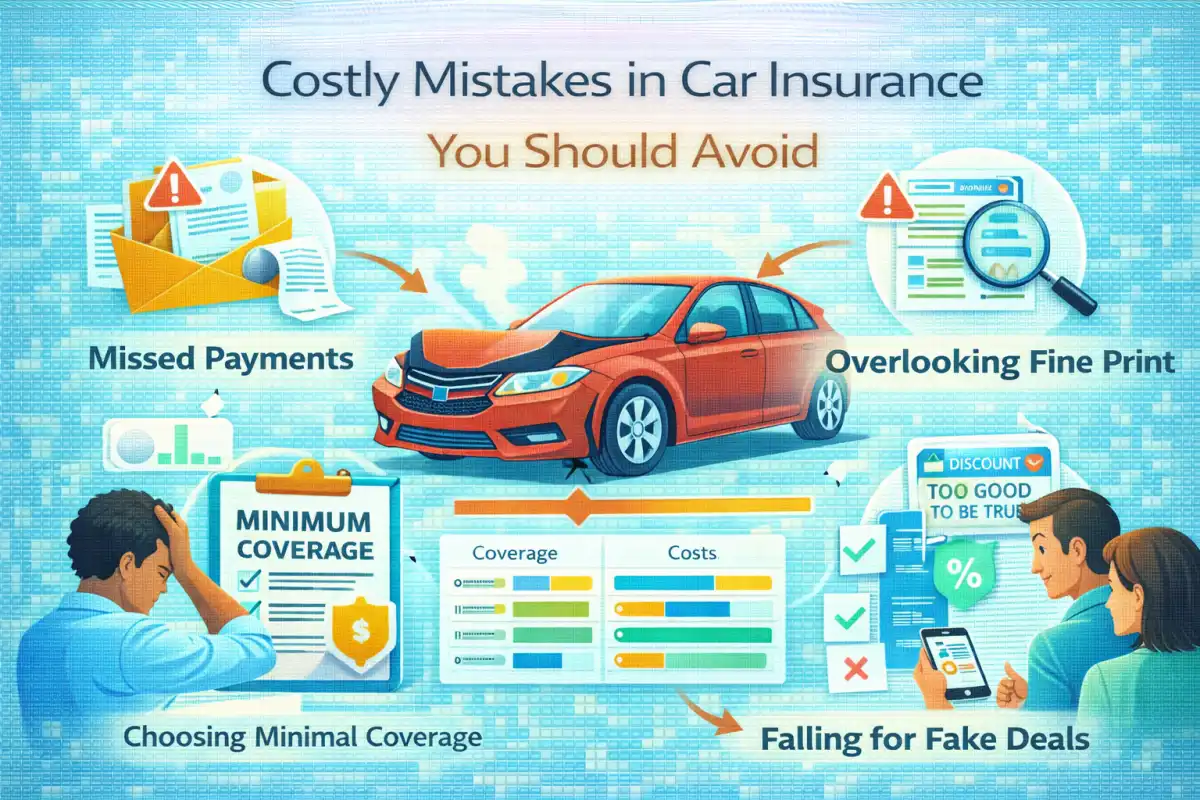
Costly Mistakes in Car Insurance You Should Avoid
1. Selecting the Lowest Premium Without Assessing Coverage
Many drivers chase low premiums, thinking they are saving money. However, opting for the cheapest car insurance can lead to inadequate protection. It’s essential to examine what each policy offers. Sometimes, a slightly higher premium can provide significantly better coverage.
When comparing insurance options, focus on the coverage levels rather than just the price tag. Look for policies that match your needs. An affordable policy today might cost you more in the future if it doesn’t cover you adequately in an accident.
2. Not Insuring Your Vehicle Adequately
Underinsuring your car can be a risky move. Many individuals may think they are saving money by opting for minimal coverage. However, if an accident occurs, you could find yourself facing hefty repair costs or even losing your vehicle.
Experts recommend assessing the value of your car and choosing a policy that reflects that value. If your vehicle is worth more, it’s wise to ensure it is fully covered. This often means considering both collision and comprehensive coverage.
3. Overlooking Comprehensive Coverage
Comprehensive coverage might seem like an unnecessary expense, but it can save you money in unforeseen circumstances. This type of coverage protects against non-collision incidents like theft, vandalism, or natural disasters.
Many drivers dismiss it, thinking they won’t need it. However, accidents can happen in many forms. It’s worth considering how much peace of mind you get from knowing your car is protected against a variety of risks.
4. Failing to Provide Accurate Information
Insurance providers rely on the information you give them. If you fail to disclose accurate details, you risk having your policy canceled or your claims denied. This includes information about your driving history, vehicle usage, and even where you live.
Always be truthful when filling out applications. It might be tempting to omit minor details, but honesty is crucial. Correct information ensures that you receive appropriate coverage and can file claims when necessary.
5. Neglecting Optional Coverage That Can Save You Money
Optional add-ons can seem like unnecessary expenses at first. However, including them in your policy can lead to savings over time. For example, roadside assistance and rental car reimbursement can prevent high out-of-pocket costs in case of emergencies.
Consider these add-ons carefully. While they may increase your premium, the long-term savings can outweigh the initial costs. Evaluate your driving habits and consider what additional coverage might benefit you the most.
6. Choosing a Deductible That’s Too High
A high deductible can lower your monthly premium but can be a financial burden during an accident. If you have a significant deductible, you may struggle to pay it when needed. This can lead to delays in getting your vehicle repaired.
When selecting a deductible, think about your financial situation. A balance between a manageable deductible and a reasonable premium is essential. Make sure you can afford the out-of-pocket cost in the event of a claim.
7. Forgetting to Reassess and Renew Policies Yearly
Insurance needs can change over time. Failing to review your policy annually can lead you to miss better deals or necessary adjustments. Life changes, such as moving or getting a new vehicle, may require changes to your coverage.
Set a reminder to evaluate your policy each year. Look for new discounts, changes in rates, or additional coverage options. Staying proactive can help you secure the best insurance for your evolving needs.
8. Making Frequent Small Claims
While it may be tempting to file claims for minor incidents, doing so too often can lead to higher premiums. Insurance companies may see frequent claims as a red flag, increasing your rates over time.
Consider whether it’s worth filing a claim for small damages. Sometimes, paying out of pocket can be more cost-effective in the long run. Weigh the costs and benefits before submitting a claim.
9. Not Combining Insurance Policies
Many insurance companies offer discounts if you bundle multiple policies, like auto and home insurance. Failing to take advantage of these savings can mean paying more than necessary.
Check with your insurer about bundling options. This can lead to significant savings on your overall premiums. It's an easy way to ensure you’re getting better value for your insurance expenses.
10. Overlooking Telematics and Usage-Based Options
Telematics allows insurers to monitor your driving habits. This data can lead to lower premiums for safe drivers. Many people overlook this option, thinking it’s intrusive. However, it can reward good driving behavior.
Consider opting for a usage-based insurance plan if you drive safely and want to save money. It could lead to discounts based on your actual driving patterns.
High-Impact Car Insurance Mistakes Summary
To sum up, many drivers make common mistakes that can lead to unnecessary expenses. From selecting the cheapest policy to neglecting comprehensive coverage, these errors can significantly impact your financial situation. Awareness is the first step toward avoiding these pitfalls.
Taking the time to carefully assess your insurance needs, comparing different policies, and being proactive in managing your coverage can save you money. Don't wait until an accident occurs to realize the importance of proper insurance.
How to Steer Clear of These Car Insurance Errors
To avoid making costly mistakes, consider regular reviews of your insurance needs. Compare quotes from different providers and evaluate the coverage options available. This practice can help you find the best policy at the most reasonable price.
Be transparent with your insurer about your driving habits and vehicle use. This honesty can prevent issues down the line. Additionally, leverage available discounts and consider usage-based insurance options for potential savings.
Final Thoughts
Car insurance is essential, but it can also be complex. Understanding common mistakes can help you avoid costly errors. Review your policy regularly, ensure you have adequate coverage, and always be honest with your insurer. This proactive approach can lead to significant savings and peace of mind.
By staying informed and making smart choices, you can navigate the world of car insurance more effectively. Avoiding these pitfalls will put you in a better position financially and ensure that you are adequately protected on the road.